


The Unbearable Whiteness of Boston
An excerpt from From White Folks Who Teach in the Hood on unplugging from the nonprofit industrial matrix

An excerpt from From White Folks Who Teach in the Hood on unplugging from the nonprofit industrial matrix

Without mechanisms for incorporating disconfirming evidence, grantmakers miss the opportunity for greater impact.

The case for rampant relationality.

Starting with the need instead of the solution can lead to stronger impact.

How to prepare leader, board, and organization for a healthy exit

How can organizational leaders create an environment that balances the needs of the individual, the needs of the institution, and the needs of the work?
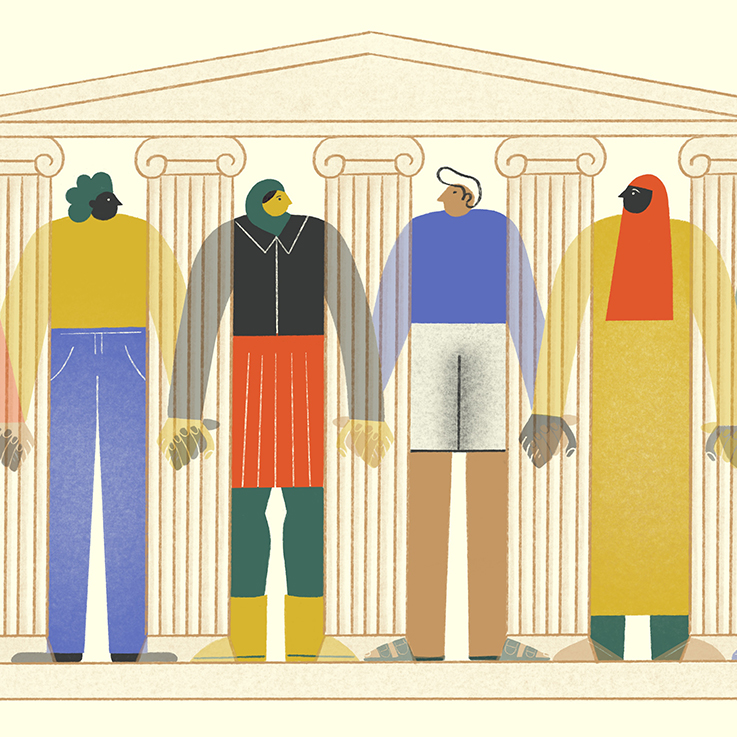
True believers in democracy must take steps to unlock people’s civic agency, with a particular focus on strategies that make democracies more inclusive, more people-centered, and more responsive to the needs and aspirations of all.

Targeted, local engagement with communities coupled with civic education are effective strategies to strengthen information ecosystems, alongside national and international efforts focused on laws and regulation.

To build evolving, inclusive, effective democracies, we must focus not only on developing leaders who are reflective of the nation-state but who can also change the conditions in which they operate.

What recent history in Brazil and the United States has taught us about containing, countering, and sustainably preventing the corruption of elections by authoritarian leaders.